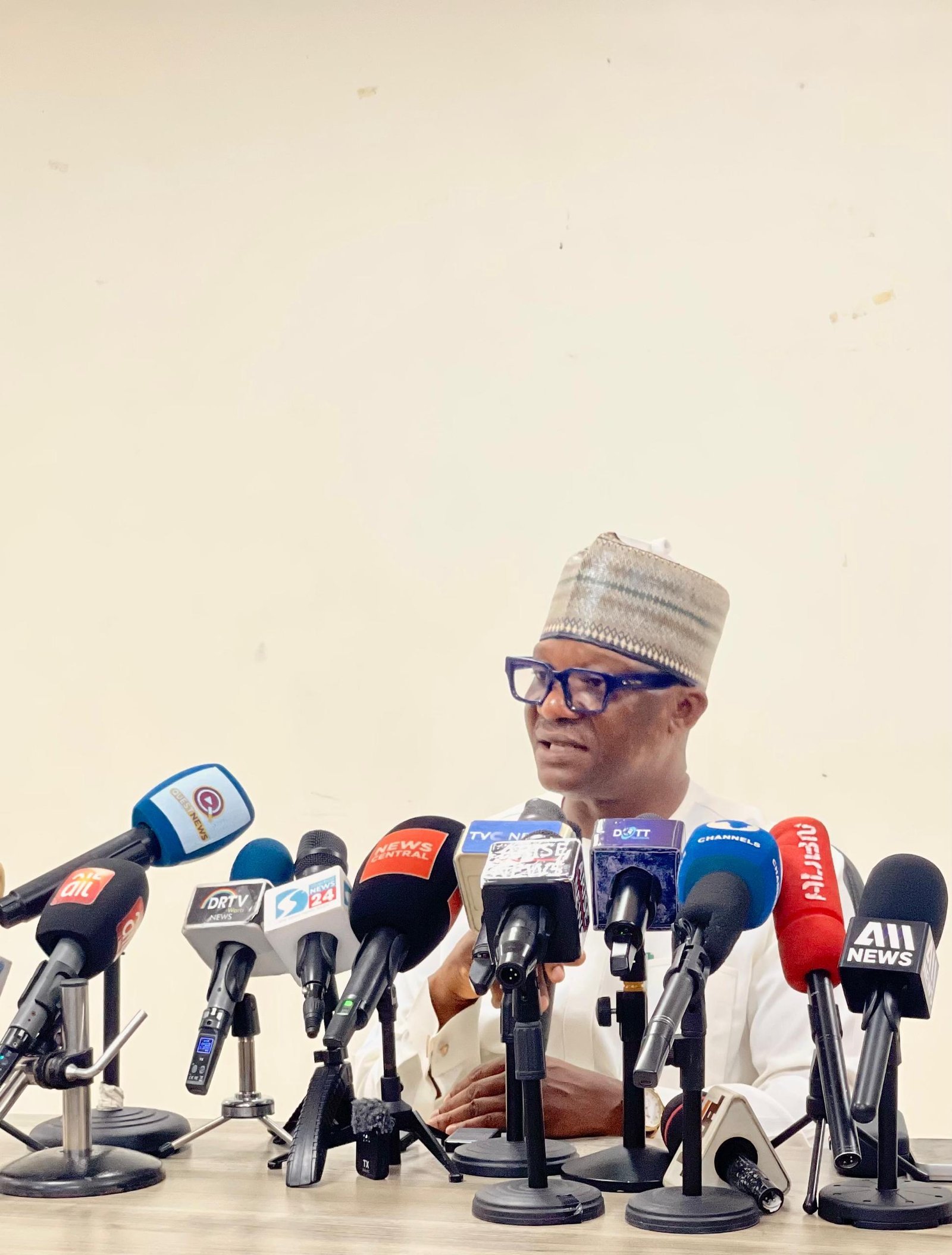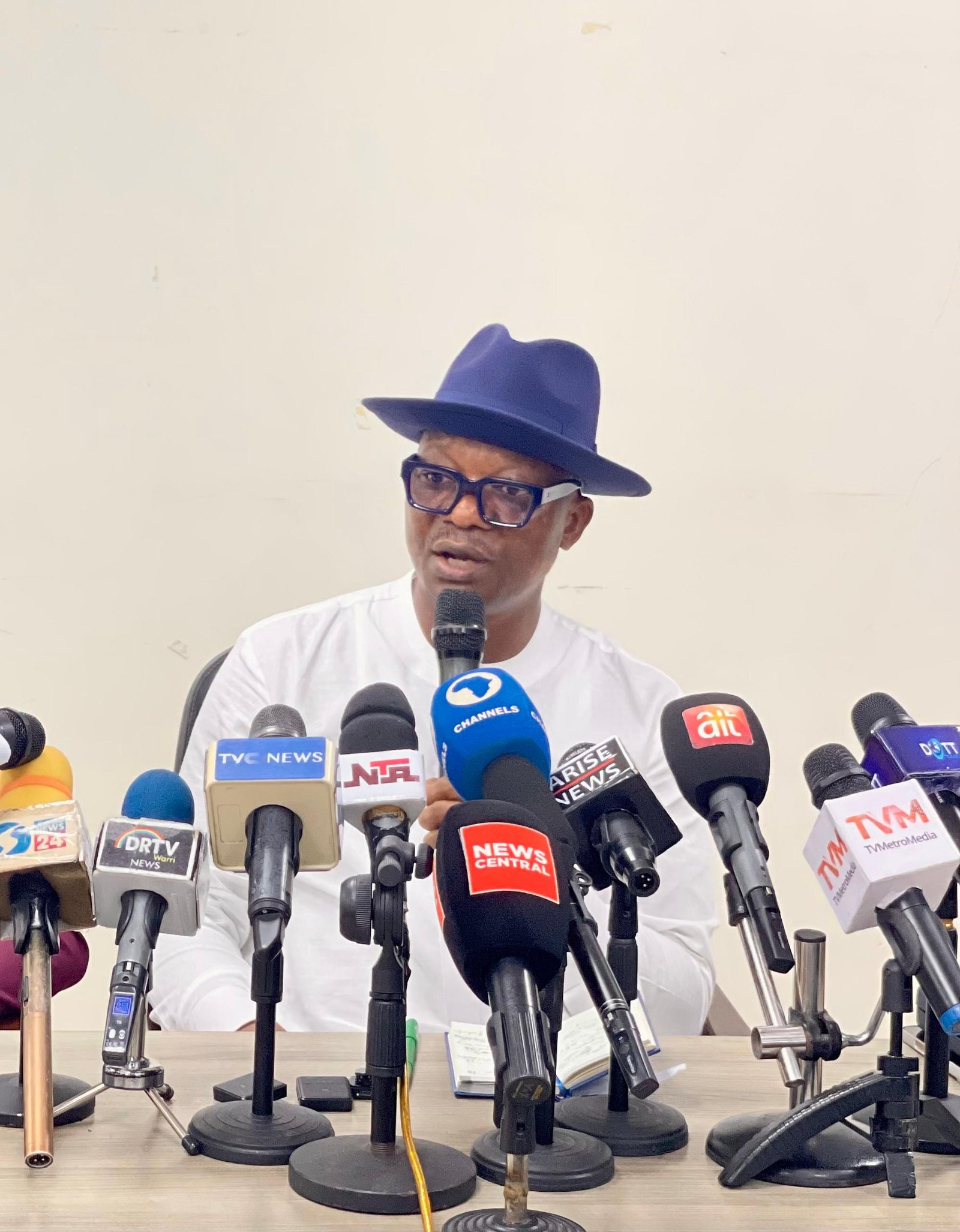
The Delta State Government has commenced plans for the massive renovation of public schools across the state as part of measures to improve the learning environment and stimulate economic activities at the grassroots. The Commissioner for Works (Rural Roads) and Public Information, Mr. Charles Aniagwu, disclosed this during a press briefing at the Ministry of Information Conference Hall, Chike Edozien Secretariat, Asaba.
Aniagwu said Governor Sheriff Oborevwori directed the commencement of the exercise a few days before the briefing, stressing that the intervention was part of the administration’s deliberate effort to translate the impact of its macroeconomic reforms into tangible benefits for ordinary Deltans. He explained that the renovation would also boost local businesses as contractors would be encouraged to source materials such as cement, roofing sheets and other building materials within the state.
“It is not just about renovating the schools. When you renovate schools, you are also stimulating the local economy. The contractors will buy materials from people within the state. The people selling cement, roofing sheets and other materials will make money, and that money will go into the hands of households,” the Commissioner said.
He said the strategy was consistent with the administration’s broader economic agenda, including the proposed 13th-month salary for civil servants, which he said was aimed at strengthening workers’ purchasing power. Aniagwu disclosed that salaries were now being paid fully between the 22nd and 25th of every month, rather than in instalments, while various empowerment programmes through the Office of the Chief Job Creation Officer and relevant ministries were equipping youths, women and other beneficiaries with skills and opportunities to establish sustainable businesses.
On the scope of the school intervention, the Commissioner said Delta has more than 1,300 primary schools and over 430 secondary schools across the 25 local government areas, adding that the government had already intervened in not less than 10 schools in every local government area through various projects since the administration came on board. He said the new exercise would, however, be guided by fresh assessments of school population, classroom and furniture ratios and the condition of existing facilities before the exact number of schools to benefit is determined.
Aniagwu said the government was also conducting an audit of teachers ahead of fresh recruitment to ensure that employment was based on actual needs rather than political considerations. “If a school needs a mathematics teacher, you don’t give them an English teacher simply because somebody says, ‘I have somebody who studied education.’ Recruitment must be based on the actual need of the school,” he said, adding that government was considering incentives and a possible five-year commitment for newly recruited teachers posted to rural communities under the Governor’s “Back to School” initiative.
The Commissioner said the administration was also using road construction and other infrastructure projects to open up communities, connect economic corridors and make it easier for businesses to operate. He disclosed that Governor Oborevwori had continued engagements with investors following the state’s economic summit, particularly in agriculture, with the government seeking investments that would reduce the amount of money leaving Delta to procure goods and inputs that could be produced locally, including poultry chicks.
On electricity, Aniagwu said Delta was creating an enabling environment for private-sector investment rather than attempting to finance entire power projects. He disclosed that the state’s 8.5MW independent power plant serving the State Secretariat had reduced pressure on the national grid, while a partnership with Supply Power was expected to generate or add up to 120MW to the grid. He also identified the Koko Free Trade Zone/Special Economic Zone and its gas resources as an opportunity for investors interested in gas-to-power projects, stressing that adequate distribution infrastructure remained critical to achieving reliable electricity supply.
Aniagwu further explained that the administration’s housing interventions, including quarters for Permanent Secretaries and doctors, were being implemented gradually as part of a broader strategy to retain critical manpower and stimulate economic activity. He said doctors’ accommodation would help reduce brain drain and improve healthcare delivery, while construction activities themselves would create jobs and increase purchasing power. He also urged communities to protect government projects from vandalism, warning that funds repeatedly spent repairing damaged schools could instead be used for clinics and other development projects.
Addressing concerns about salaries, pensions and promotion in the public service, Aniagwu said pension had ceased to dominate public discussions in the manner it once did, while workers were now receiving their salaries fully and on time. On reported disagreements surrounding promotion interviews for senior civil servants, he said he would investigate the matter by engaging the relevant authorities, stressing that promotion should not be based solely on years of service but should also reflect competence and productivity.
As the 2027 elections approach, Aniagwu urged Deltans not to allow politicians to exploit present economic difficulties by making them believe the challenges would remain permanent, saying the Oborevwori administration would present its record and allow the people to judge its performance. “We are not just going to campaign. We are going to show our workings. We will show what we have done, what we are doing and the opportunities that are available to our people,” he said, assuring that the government would continue to deploy resources intentionally across education, roads, agriculture, healthcare, housing, empowerment and other sectors to ensure that the benefits of its policies cascade from the macroeconomic level to the grassroots.