The Independent National Electoral Commission (INEC) has released a fresh delineation of electoral wards and polling units across the Warri Federal Constituency in compliance with the Supreme Court judgment, a development expected to significantly reshape the political landscape of Delta State.
The delineation exercise covers the three local government areas that make up the Warri Federal Constituency; Warri North, Warri South, and Warri South-West.
INEC also announced the creation of a new federal constituency for the Ijaw and Itsekiri communities in Warri North and Warri South-West, although the commission clarified that the new constituency remains subject to constitutional amendment and approval by the National Assembly.
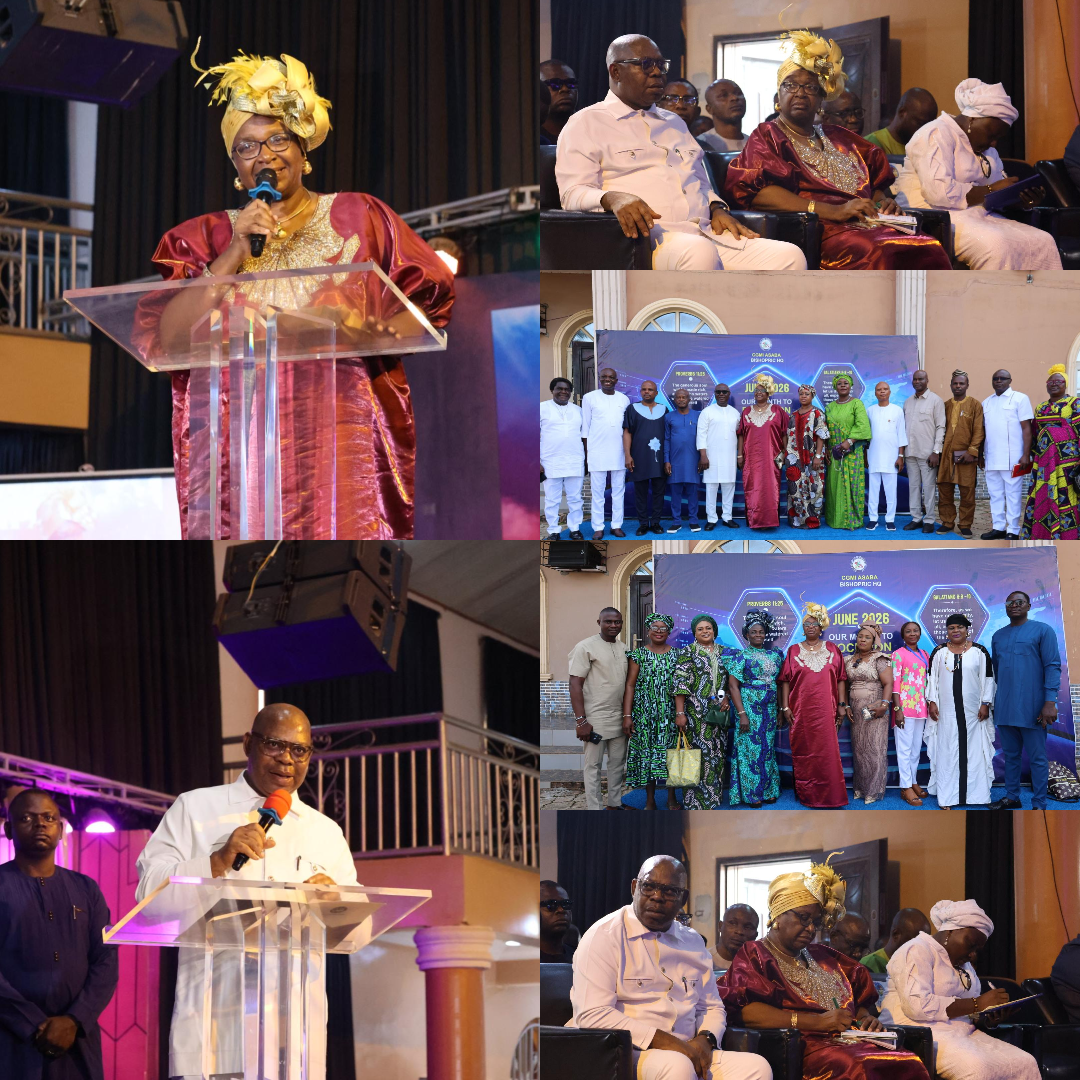
The development was unveiled during an emergency stakeholders’ meeting convened by INEC in Asaba, where representatives of the Ijaw, Itsekiri, and Urhobo ethnic nationalities were presented with the report by the Supervising National Commissioner and the Electoral Commissioner.
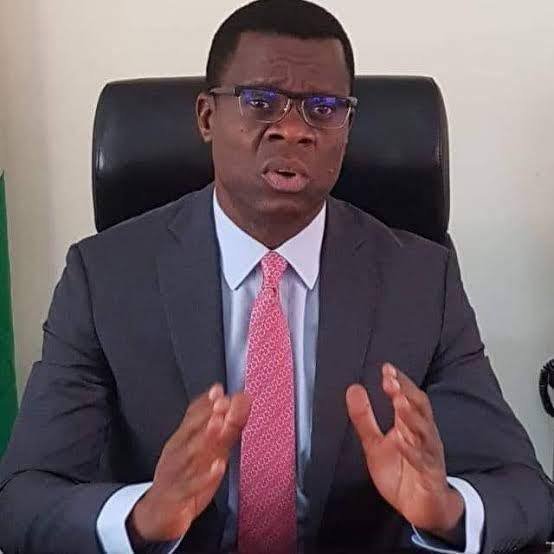
Speaking after the meeting, Dr. Paul Bebenimibo, who represented the Ijaw ethnic nationality, confirmed that the delineation report was formally presented to stakeholders as part of efforts to implement the Supreme Court directive on equitable representation in the Warri axis.
Under the new arrangement, Warri South was divided into two state constituencies with ten wards each.
Warri South II Constituency now comprises Okumagba I, Okumagba II, Edjeba, Okere, Ogunu/Okurode-Urhobo/Ukpotiti/Oteghele, Itifo/Markro, Egborodje, Bulou-Ama, Ewein, and Ogbe-Ijoh Warri Urban.
Warri South I Constituency includes Bowen, Eruogwaran Ototwodo/Omone, Ekpen/Esisi, GRA, Igbudu-Essi, Obodo/Omadino, Ode-Itsekiri, Pessu, Ogedengbe, and Ugbwangue/Ekurede-Itsekiri.
In Warri South-West, the delineation produced two constituencies. Warri South-West II consists of Aju-Udaibo, Akpakpa, Madango, Ogidiben, Orere I, Orere II, and Ugborodo, while Warri South-West I includes Azama/Igoba/Inikoroogha, Benikrukru/Kenyangbene, Diebiri, Ikeremor, Isaba, Izansa-Ijelejele, Kokodiagbene, Kunukunuma/Kantu/Kurutie/Pepe-Ama, Ogbe-Ijoh, Okerenkoko/Egwa, Okoroware, Oporoza, and Oporoza/Amaseikumor.
Similarly, Warri North was divided into Warri North I and Warri North II constituencies.
Warri North II now comprises Abadigbene/Okifamba/Asantuwagbene, Asigborodo I/II, Ogbinbiri, Ogbinbiri Azama/Asisabubotie/Idebagbene, Ogbudugbudu, Awamba, Opuama I, Opuama II, Polobubo I, and Polobubo II.
Warri North I includes Aja Itori/Okogho, Aja Ometan/Tisun/Kolokolo/Sagharate/Ughotosan, Beresibi/Ureju/Eghoro/Obonteghareda, Ebrohimi, Gbokoda, Koko I, Koko II, Koko III, Obaghoro, and Ogheye.
The fresh delineation is expected to generate intense political discussions among stakeholders across the Warri axis, where issues of ethnic representation, political inclusion, and resource distribution have remained highly sensitive over the years.
Political analyst opine the exercise could redefine electoral strength and representation ahead of future elections, while also testing inter-ethnic cooperation among the Ijaw, Itsekiri, and Urhobo communities in the region.