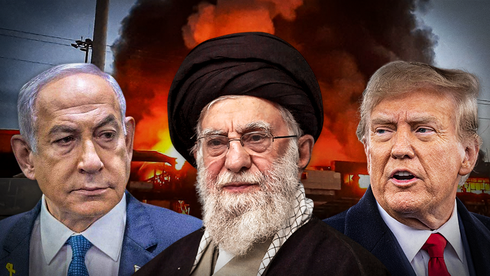
Tensions across the Middle East have sharply intensified following coordinated US-Israeli strikes that reportedly killed Iran’s Supreme Leader, Ayatollah Ali Khamenei, and several senior security officials.
Casualties Across the Region
The United States Central Command confirmed that three American soldiers were killed and five others seriously wounded in Iranian retaliatory attacks across the region.
In Israel, at least nine people were killed and 51 wounded in an Iranian missile strike on the town of Beit Shemesh, near West Jerusalem. Israeli police said 11 individuals remain unaccounted for as search-and-rescue operations continue.
Iran Vows Retaliation
The Iranian Revolutionary Guard Corps (IRGC) pledged revenge for the killing of the country’s top leadership. Iranian state media reported that the IRGC launched attacks on 27 bases hosting US troops across the Middle East, as well as Israeli military facilities in Tel Aviv. Explosions were also reported in parts of Qatar and the United Arab Emirates.
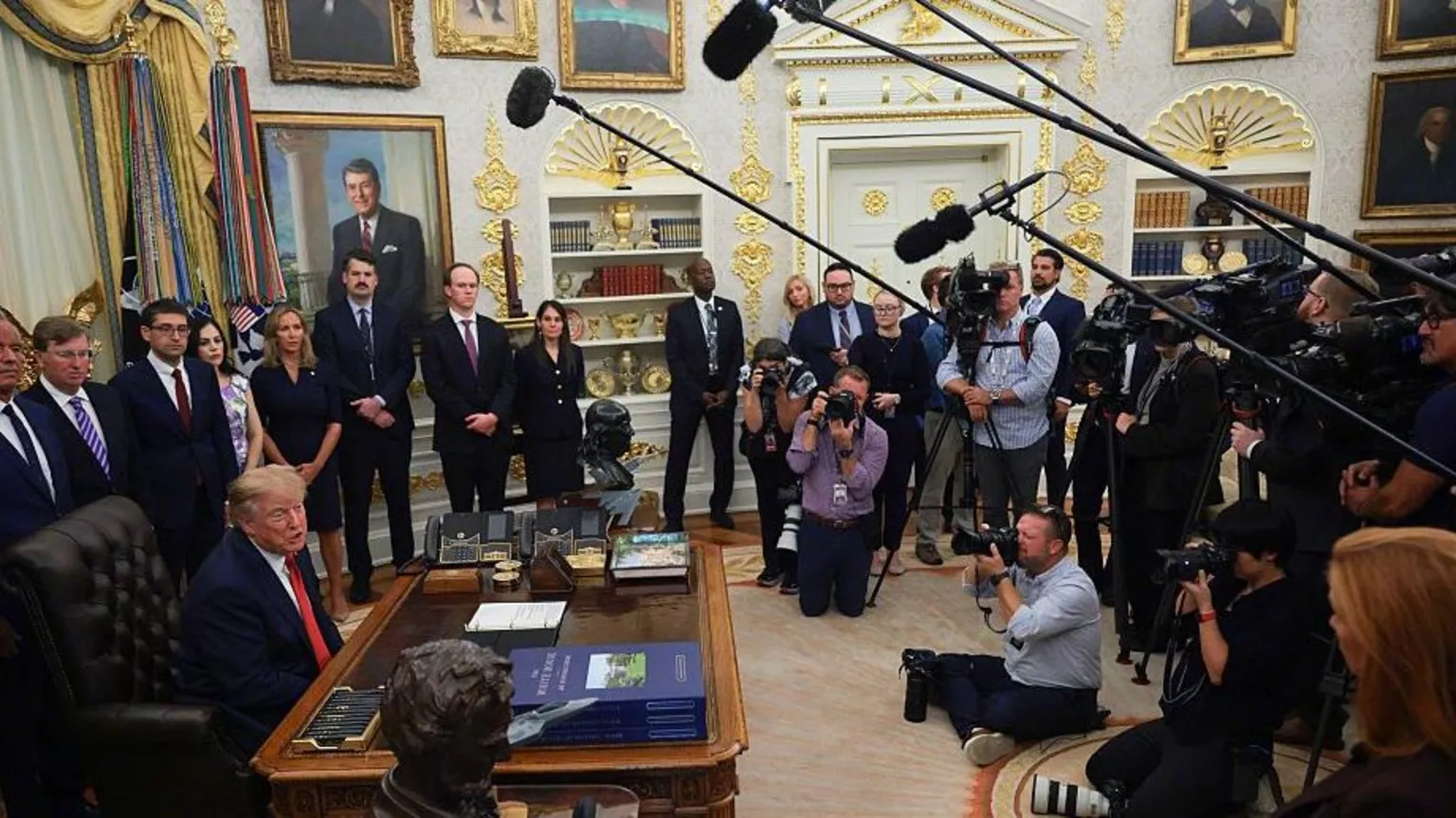
US President Donald Trump warned Tehran that it would face unprecedented military force if it escalates further, saying Iran would be struck “with a force that has never been seen before” should it launch additional large-scale attacks.
Regional Diplomacy Under Strain
According to Iranian state media, Iraq’s Foreign Minister, Fawad Hussein, expressed condolences over Khamenei’s killing during a telephone conversation with his Iranian counterpart, Abbas Araghchi.
Araghchi reportedly briefed Hussein on the latest developments and called on the international community to condemn what he described as US and Israeli “crimes” against Iran. He also criticized Washington’s actions, saying US military operations during ongoing diplomatic negotiations demonstrate what he termed a disregard for diplomacy by the Trump administration.
UK Intercepts Iranian Drone
The United Kingdom has now become directly involved in defensive operations. The UK Ministry of Defence said a Royal Air Force Typhoon fighter jet shot down an Iranian drone heading toward Qatar on Sunday.
Prime Minister Keir Starmer had earlier confirmed that UK aircraft were active in the region as part of defensive measures following the joint US-Israel strikes.
International Political Reactions
In India, the main opposition party, the Indian National Congress, condemned the targeted killing of Ayatollah Khamenei, describing it as an assassination carried out without a formal declaration of war.
The government of Prime Minister Narendra Modi has not issued a formal statement specifically addressing Khamenei’s death but had earlier expressed concern over escalating tensions among the United States, Israel, and Iran.
Divided Opinion in the United States
Public reaction in the United States appears sharply divided. A Reuters/Ipsos poll conducted after the strikes found that 27 percent of Americans approve of the operation that killed Iran’s leader, while 43 percent disapprove and 29 percent remain undecided.
The survey also indicated that 56 percent of respondents believe President Trump is too willing to use military force to advance US interests. That view was shared by 87 percent of Democrats, 23 percent of Republicans, and 60 percent of independent voters.
The poll sampled 1,282 US adults nationwide and carries a margin of error of three percentage points.
A Region on Edge
With rising casualties, expanding military engagements, and increasingly sharp diplomatic rhetoric, the crisis has deepened fears of a broader regional conflict. Global leaders are closely monitoring developments as the Middle East faces one of its most volatile moments in recent history.