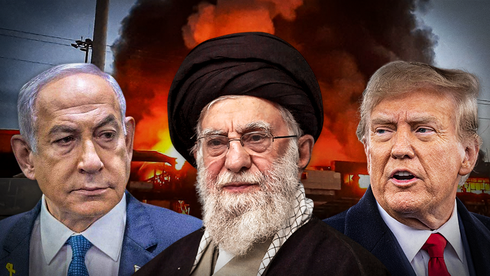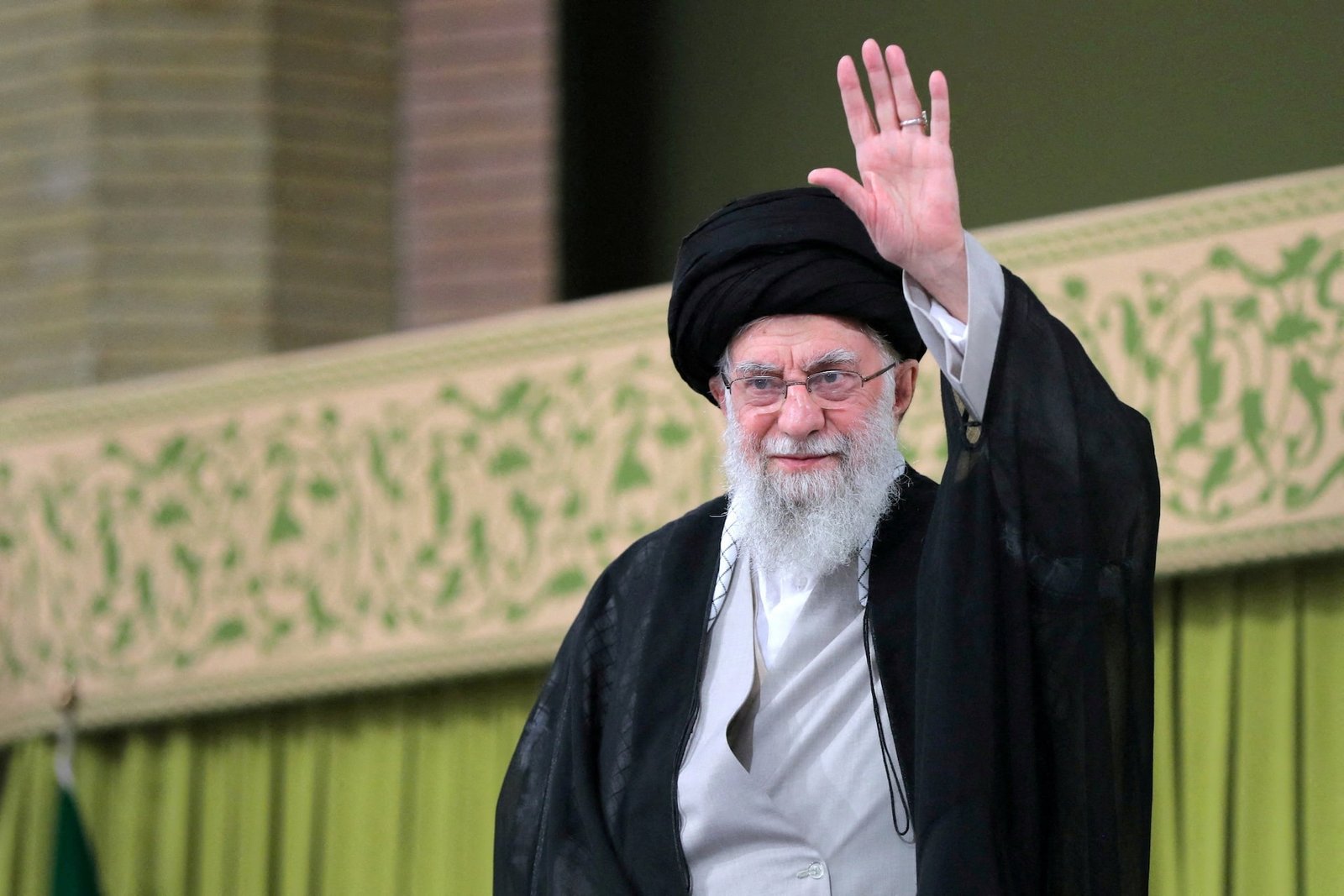
Iran has officially confirmed the death of its Supreme Leader, Ayatollah Ali Khamenei, following a large-scale military strike reportedly carried out by the United States and Israel on Saturday.
State media announced that the 86-year-old cleric “attained martyrdom” in the attack, alongside members of his family, including his daughter, son-in-law, and grandson. Authorities have declared 40 days of national mourning across the country.
Khamenei had served as Iran’s Supreme Leader since 1989, succeeding the founder of the Islamic Republic, Ayatollah Ruhollah Khomeini. Khomeini rose to power after returning from exile to lead the 1979 revolution that toppled Iran’s then-monarch, Mohammad Reza Pahlavi, a key U.S. ally at the time.
As Supreme Leader, Khamenei wielded ultimate authority over Iran’s executive, legislative, and judicial branches, as well as its armed forces. He also served as the country’s highest religious authority, shaping both domestic and foreign policy for more than three decades.
Throughout his tenure, Iran maintained a deeply adversarial relationship with Western powers, particularly the United States and Israel. His leadership spanned periods of intense international sanctions, diplomatic standoffs over Iran’s nuclear programme, and waves of domestic unrest tied to economic conditions and civil liberties.
Khamenei consistently described the United States as Iran’s “number one enemy,” with Israel viewed as a close second. Despite repeated accusations from Israel and some U.S. political figures, he maintained that Iran’s nuclear programme was strictly for civilian purposes and denied any intention to develop nuclear weapons. U.S. intelligence agencies and the United Nations’ nuclear watchdog have publicly stated in past assessments that they found no conclusive evidence of an active Iranian nuclear weapons programme.
The reported strike and Khamenei’s death mark a dramatic escalation in tensions in the Middle East, with potential far-reaching implications for regional stability and global security.